


- Vaughn A. Wamsley
- Car Accidents
Distracted driving crashes in Indianapolis often come down to one issue: can you prove the other driver was not paying attention? Strong cases rely on documented evidence such as phone records, crash reports, eyewitness statements, vehicle data, and medical documentation.
This guide explains what proof carries weight in Indiana injury claims, how to preserve it, and how a car accident lawyer in Indianapolis builds a case that insurance companies take seriously.
Why Proof Is Everything
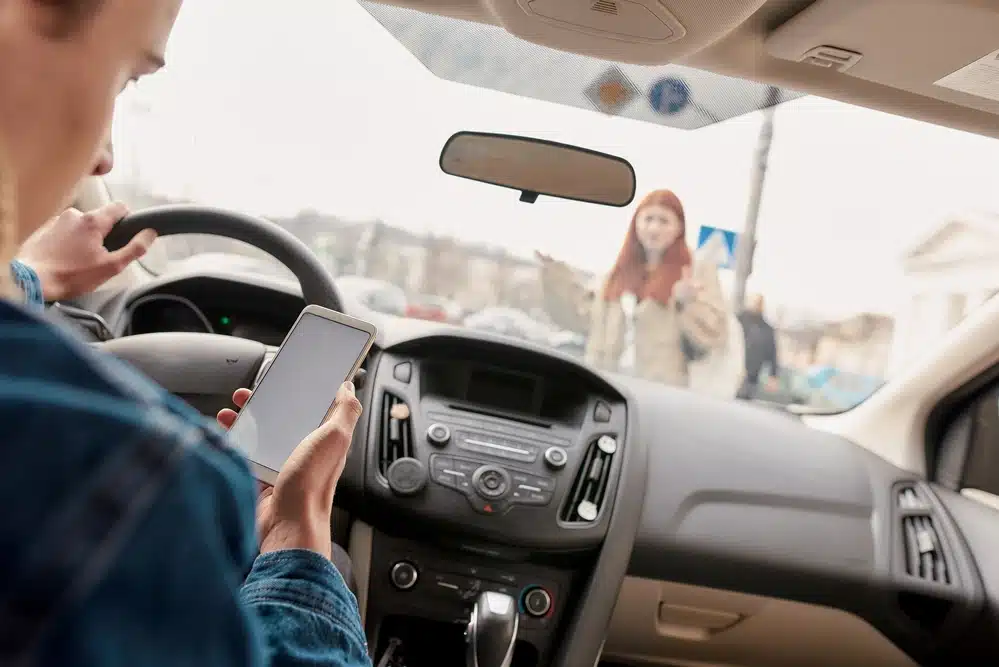
Distracted driving remains one of the leading causes of serious crashes in Indianapolis. A driver glances at a phone for three seconds. Traffic stops. A rear-end collision happens. Someone ends up in the emergency room.
If you were injured, proving distraction is the key to recovering compensation. Insurance companies rarely admit their driver was texting. They demand evidence.
The strength of your documentation often determines whether your claim resolves quickly or turns into a prolonged dispute. An experienced Indianapolis accident attorney knows what evidence matters and how to secure it before it disappears.
What Counts as Distracted Driving in Indiana
Indiana’s hands-free law prohibits drivers from holding or manually using a mobile device while operating a vehicle. That includes texting, emailing, dialing numbers, scrolling apps, or entering navigation information.
Distraction is not limited to phones. Any activity that takes attention away from safe driving may qualify, such as eating, adjusting controls, interacting with passengers, grooming, or reaching for objects.
To succeed in a claim, you must show the driver failed to operate the vehicle safely and that this failure directly caused your injuries.
What Proof Wins Distracted Driving Cases
Cell Phone Records
Phone records are often the strongest evidence in distracted driving claims. They may show:
- Text message timestamps
- Call activity logs
- App usage history
- Data transmission records
If a text was sent at the exact time of impact, that timing significantly strengthens your case.
An auto accident lawyer in Indianapolis, Indiana, can request these records through subpoenas or formal discovery. Without legal action, they are rarely produced voluntarily.
Police Crash Report
The crash report often provides foundational evidence. It may contain:
- Officer observations
- Driver statements or admissions
- Citations issued
- Witness identities
If the responding officer documents that the driver admitted to looking at a phone, that becomes powerful leverage.
Digital and Physical Crash Evidence
Beyond phone records and reports, modern crash investigations often rely on technical data and visual proof. This may include vehicle event data recorder information, traffic camera footage, business surveillance video, and accident reconstruction analysis.
Event data recorders can show whether a driver attempted to brake before impact. Surveillance footage may capture delayed reactions or failure to yield. Reconstruction experts analyze vehicle damage, impact angles, and roadway evidence to determine whether inattentiveness played a role.
The key factor is timing. Much of this evidence can be overwritten or lost within days if it is not preserved.
Medical Documentation
Medical records connect the collision to your injuries and establish the severity of harm. Strong documentation typically includes:
- Emergency treatment records
- Diagnostic imaging results
- Physician notes and care plans
- Ongoing therapy or rehabilitation records
Insurance companies look for treatment gaps. Consistent medical documentation strengthens both liability and damages claims.
How Indiana’s Comparative Fault Law Impacts Recovery
Indiana follows a modified comparative fault system. If you are 51% or more at fault, you cannot recover compensation. If you are less than 51% at fault, your recovery is reduced by your percentage of responsibility.
Insurance companies frequently argue about shared fault in distracted-driving cases. They may claim you stopped suddenly, were speeding, or changed lanes improperly. Strong evidence of distraction helps limit these arguments and protect your compensation.
Why Acting Quickly Matters
Evidence disappears fast. Phone data may be overwritten. Surveillance systems routinely delete footage. Vehicles are repaired or salvaged. Witness memories fade.
Early legal involvement allows your Indianapolis accident attorney to send preservation letters and secure critical documentation before it is lost. Delays weaken cases. Speed strengthens them.
How Insurance Companies Defend Distracted Driving Claims
Insurance carriers rarely concede to distraction without resistance. They commonly:
- Deny phone use
- Argue hands-free compliance
- Claim distraction did not cause the crash
- Question injury severity
They may review social media accounts or search for prior medical conditions to reduce payouts. A strong claim anticipates these strategies before negotiations begin.
What Damages You May Recover
If distraction caused your injuries, compensation may include:
- Medical expenses
- Lost income and reduced earning capacity
- Pain and suffering
- Future medical care needs
Severe injuries involving long-term impairment often require expert projections to document the lifetime financial impact.
Common Distracted Driving Crash Patterns in Indianapolis
Certain crash types are frequently caused by distracted drivers. These include rear-end collisions in heavy traffic, intersection crashes due to missed signals, and lane-departure accidents caused by drifting.
In many of these cases, lack of braking data or delayed driver response becomes central evidence.
Building a Strong Case Strategy
Winning distracted driving cases requires an organized and strategic evidence presentation. A car accident lawyer in Indianapolis will typically:
- Secure police and medical records
- Obtain phone and digital data
- Interview witnesses
- Preserve video footage
- Analyze vehicle damage
- Calculate economic and future losses
Clear documentation increases settlement leverage and reduces opportunities for insurers to shift blame.
Key Takeaways
- Distracted driving must be proven with documented evidence.
- Phone records often provide the strongest support.
- Police reports and witnesses add credibility.
- Technical data can confirm a delayed reaction or inattention.
- Acting quickly prevents evidence loss.
- Indiana comparative fault rules directly affect compensation.
- Early involvement of an Indianapolis accident attorney strengthens your claim.
Frequently Asked Questions
How do I prove the other driver was texting?
Phone records, witness testimony, digital crash data, and admissions documented in the police report are common forms of proof. Legal action is often required to obtain phone records.
What if the driver denies using their phone?
Denial does not end the case. Data records, surveillance footage, and reconstruction analysis can contradict a driver’s statement.
How long do I have to file a claim in Indiana?
Indiana generally allows two years from the date of the crash to file a personal injury lawsuit. Acting early improves evidence preservation.
What if I was partially at fault?
You may still recover compensation if you are less than 51% responsible. Your recovery is reduced by your percentage of fault.
Do I need an attorney for a distracted driving crash?
Cases involving phone data and comparative fault issues are complex. An experienced auto accident lawyer in Indianapolis, Indiana, understands how to gather, preserve, and present proof effectively.