





- Vaughn A. Wamsley
- Last updated:
- Dog Bite
Quick Answer for Dog Bite Warning Signs
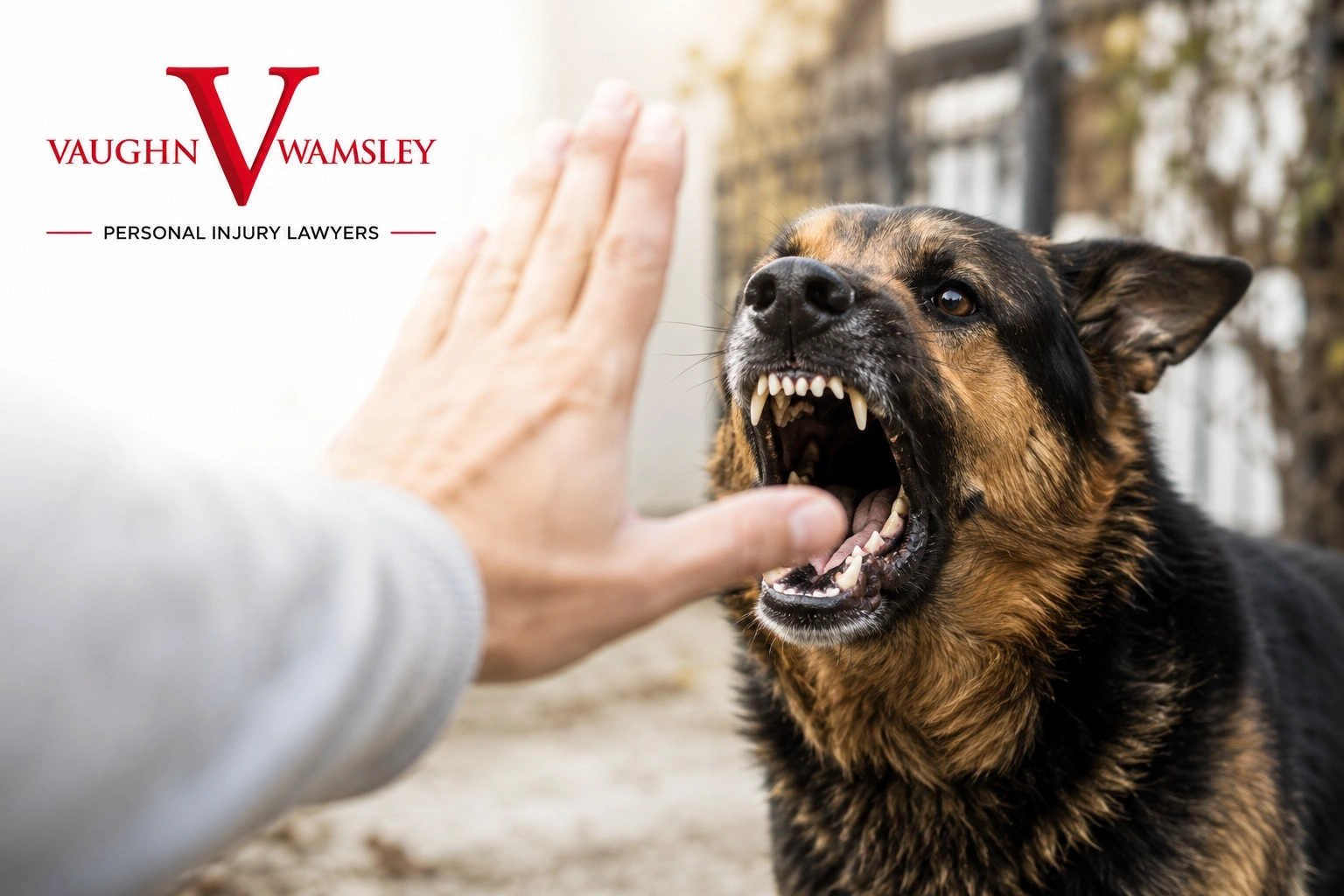
Dogs rarely attack without warning. Most show clear behavioral signals before biting. Stiff body posture, direct staring, raised hackles, low growling, and showing teeth are the most common warning signs.
If a dog bites you or someone you love in Indianapolis, document the injury, get medical care immediately, identify the dog and its owner, and contact an Indianapolis dog bite injury lawyer as soon as possible. Indiana law holds dog owners strictly liable for bites in most cases, and you may be entitled to compensation for medical bills, lost wages, and pain and suffering.
About Vaughn A. Wamsley
Vaughn A. Wamsley is an Indianapolis personal injury attorney with over 30 years of experience representing accident and injury victims across Indiana. His firm has helped more than 10,000 clients and recovered hundreds of millions of dollars in verdicts and settlements.
With offices in Indianapolis and Carmel, the firm handles dog bite cases on a contingency-fee basis, meaning clients pay nothing unless the firm wins. Vaughn was seriously injured in an accident himself, which is why he approaches every case with a level of personal investment that sets his firm apart.
Why Dog Bite Warning Signs Matter
Every year, millions of Americans are bitten by dogs. Children are among the most frequent victims, and many attacks happen in familiar settings, at a neighbor’s home, in a local park, or even in a friend’s backyard.
Indianapolis is a city with a strong culture of pet ownership. That is part of what makes awareness so important. When people understand what to look for, they can protect themselves and their children before an attack happens.
Understanding the warning signs also matters legally. If a dog bit you or your child without provocation, that context supports your right to compensation under Indiana law.
Understanding Dog Body Language Before an Attack
Dogs communicate before they bite. Most people miss the signals because they happen quickly or are subtle. Knowing what to look for can be the difference between a close call and a serious injury.
Stiff, Frozen Body Posture
A relaxed dog moves loosely. A dog preparing to bite becomes rigid. The legs stiffen, the tail may rise and stop wagging, and the dog stands very still. This frozen posture is one of the clearest indicators that a dog feels threatened or aggressive.
Direct, Unblinking Eye Contact
A dog that stares at you without breaking eye contact is not being friendly. In dog behavior, a hard, sustained stare is a challenge. It signals that the dog is focused on you as a threat. Avoid staring back, and do not make any sudden movements.
Raised Hackles
The fur along a dog’s back and neck is called the hackles. When a dog feels aggressive or fearful, those hairs stand up. You may notice a ridge running from the neck to the tail. Raised hackles do not always mean an attack is imminent, but combined with other signals, they are a serious warning sign.
Growling, Snarling, or Snapping
Growling is a dog’s audible warning. It is important not to punish or silence a growling dog, because growling is communication. A dog that growls is saying it feels threatened. Snarling, where the lips pull back to show teeth, is a further escalation. Snapping without contact is the final warning before a bite.
Low Tail or Tucked Tail Combined With Tension
People often assume a wagging tail means a dog is friendly. That is not always true. A low, stiff wag can signal anxiety and unpredictability. A tucked tail combined with tense body posture can mean the dog is fearful, and fearful dogs bite just as often as aggressive ones.
Barking With Forward Movement
Loud, repetitive barking as you move toward you is a clear sign to back away. Defensive dogs bark and retreat. Offensive dogs bark and advance. If a dog is moving toward you while barking in a low, intense tone, treat it as a threat.
Warning Signs Specific to Children
Children are bitten more often than adults, and usually on the face, head, and neck. This is partly because children put their faces close to dogs and make direct eye contact without realizing the risk.
Parents and caregivers should watch for these specific situations:
- A child leans over or hugs an unfamiliar dog
- A dog has become still and quiet while a child is nearby
- A dog turns its head away while a child touches it (a calming signal that the dog is uncomfortable)
- A dog stiffens when a child approaches its food, toys, or sleeping area
Never leave young children unsupervised with any dog, regardless of breed or temperament.
Dog Bite Risk: A Quick Reference
The following table outlines common dog behaviors, what they typically signal, and the recommended response.
| Dog Behavior | What It Signals | What You Should Do |
| Stiff, frozen posture | Aggression or high alertness | Stop moving, do not turn your back |
| Hard, sustained stare | Perceived threat or challenge | Avoid eye contact, back away slowly |
| Raised hackles | Fear or aggression | Increase distance calmly |
| Growling or snarling | Warning before a bite | Do not approach, leave the area |
| Snapping without contact | Final warning | Retreat immediately |
| Barking while advancing | Offensive behavior | Create distance, do not run |
| Tucked tail with tension | Fear-based aggression | Do not corner the dog |
What to Do If a Dog Is About to Attack
If you believe a dog is about to attack, stay as calm as possible. Running triggers a dog’s chase instinct and almost always makes the situation worse.
Steps to Take in the Moment
Stand still if the dog approaches. Cross your arms over your chest and avoid direct eye contact. Speak in a low, calm voice or remain silent. If the dog lunges, put anything between you and the dog: a bag, a jacket, a purse.
If you are knocked down, curl into a ball, protect your face and neck with your arms, and stay still. Many dogs will stop attacking once a person is no longer perceived as a threat.
After the Attack
Get to safety and away from the dog. Call 911 if the attack is serious or the dog is still threatening others. Seek medical attention immediately, even if the wound appears minor. Dog bites carry a high risk of infection, including bacteria that can cause serious complications within hours.
What to Do After a Dog Bite in Indianapolis
The steps you take in the hours and days following a dog bite can directly affect your legal claim.
Step 1: Get Medical Care
Your health comes first. Go to an emergency room or urgent care. Bite wounds require thorough cleaning, and many require antibiotics or stitches. Some injuries, especially to the face or hands, require surgical consultation. Keep all records, bills, and discharge paperwork.
Step 2: Document the Injury
Take photos of every wound immediately and in the days that follow as bruising and swelling develop. Photograph the location where the attack happened. If your clothing was torn or bloodied, preserve it.
Step 3: Identify the Dog and Owner
Get the name, address, and contact information of the dog’s owner. Ask for vaccination records, specifically rabies vaccination history. If animal control is called, get the report number.
Step 4: File a Report
Report the bite to Indianapolis Animal Care Services or your local animal control office. A formal report creates an official record of the attack and documents the dog’s history. This can be important evidence in a legal claim.
Step 5: Contact a Dog Bite Attorney in Indianapolis
Indiana follows a strict liability rule for dog bites. That means the owner can be held responsible even if the dog has never bitten anyone before. You do not need to prove the owner knew the dog was dangerous.
The sooner you speak with legal counsel, the better. Evidence disappears. Witnesses forget details. And insurance companies begin building their defense the moment a claim is filed.
Indiana’s Dog Bite Law: What Victims Should Know
Indiana Code 15-20-1-3 establishes strict liability for dog owners when their dog bites a person who is in a public place or lawfully in a private place. You do not have to prove negligence. You do not have to show that the dog had a history of aggression.
There are limited defenses available to dog owners, including provocation. But these defenses must be raised by the owner and proven on their end.
Indiana’s statute of limitations for personal injury claims is generally two years from the date of the injury. Do not wait to speak with someone about your rights.
Speak With Our Team
If you or a family member was injured in a dog attack, our team is ready to help. As an Indianapolis dog bite injury lawyer who has handled cases throughout Marion County and the surrounding area, Vaughn A. Wamsley understands the physical, financial, and emotional toll these injuries take on people.
We also work with clients who need a personal injury lawyer in Indianapolis, IN, for related injuries sustained during an attack, such as falls, torn ligaments, or facial lacerations that require reconstructive care. Every element of your injury matters when calculating what your case is worth.
There is no fee for a consultation. You pay nothing unless we win.
Call 317-846-1080 or reach us through our website at protectyourrights.com.
Frequently Asked Questions
What Should I Do Immediately After a Dog Bite in Indianapolis?
Seek medical attention right away, even if the wound looks minor. Dog bites carry a high risk of infection. After getting care, document your injuries with photos, gather the dog owner’s information, report the bite to Indianapolis Animal Care Services, and contact a dog bite attorney in Indianapolis as soon as possible. Acting quickly protects both your health and your legal rights.
Does Indiana Law Cover Dog Bites That Happen on Private Property?
Yes. Under Indiana’s strict liability statute, dog owners can be held responsible for bites that occur on private property as long as the victim was lawfully present. This includes guests, delivery workers, and neighbors. Being on private property does not eliminate your right to compensation.
How Much Is a Dog Bite Claim Worth in Indiana?
The value of a dog bite claim depends on several factors: the severity of your injuries, the cost of medical treatment, whether you missed work, and the long-term impact of scarring or disfigurement. There is no standard payout, but compensation can include medical bills, lost wages, pain and suffering, and future treatment costs. An Indianapolis dog bite attorney can evaluate your specific situation.
What If the Dog Owner Says Their Dog Has Never Bitten Anyone Before?
Under Indiana’s strict liability law, prior history of aggression is not required to hold an owner responsible. The owner does not get a free pass because it is the dog’s first bite. As long as you were lawfully present and did not provoke the animal, you may have a valid claim regardless of the dog’s history.
How Long Do I Have to File a Dog Bite Lawsuit in Indiana?
Indiana law generally gives injury victims two years from the date of the injury to file a personal injury lawsuit. Missing this deadline typically means losing your right to pursue compensation. Do not wait until the last minute. Contacting an injury lawyer in Indianapolis, Indiana, early gives your attorney time to investigate, preserve evidence, and build the strongest possible case.
Can Children File Dog Bite Claims in Indiana?
Yes. Children bitten by dogs have legal rights under Indiana law, and a parent or guardian may pursue a claim on their behalf. Dog bite injuries to children are taken seriously because the wounds often involve the face, head, or hands and can result in lasting scarring. If your child was bitten, speaking with our team is the right first step.
About the Author

Vaughn A. Wamsley
Vaughn A. Wamsley is the owner and founder of the law office of Vaughn A. Wamsley, an Indiana personal injury law firm.