


Every year, we see serious injuries that could have been prevented with proper car seat use. As 2026 approaches, Indiana parents and caregivers are asking the same urgent question. Are the car seat rules changing, and am I doing this right?
The short answer is that Indiana continues to tighten enforcement and follow national safety research. The longer answer is that many families are still unknowingly out of compliance. As a car accident lawyer in Indiana, we see how fast a routine drive can turn into a life-altering event when a child is not properly restrained.
This guide breaks down the most current car seat guidelines Indiana parents need to know for 2026. If you are involved in an accident and need assistance, call our auto accident attorney in Indiana today.
Why Indiana Car Seat Laws Matter More Than Ever
Motor vehicle crashes remain a leading cause of serious injury for children in Indiana. Proper use of car and booster seats dramatically reduces the risk of severe harm. According to national safety data, correctly used child restraints reduce fatal injury risk by more than 70% for infants and over 50% for young children.
Indiana law is designed to reflect those realities. Enforcement is increasing. Insurance companies are paying closer attention. Courts are less forgiving when a child is injured without proper restraints.
Following the law is not just about avoiding a ticket. It is about protecting your child and protecting your legal rights after a crash.
Current Car Seat Rules For Indiana In 2026
Indiana has not introduced an entirely new statute for 2026, but enforcement standards and safety recommendations have evolved. Many parents are surprised to learn that what was acceptable years ago may now fall short.
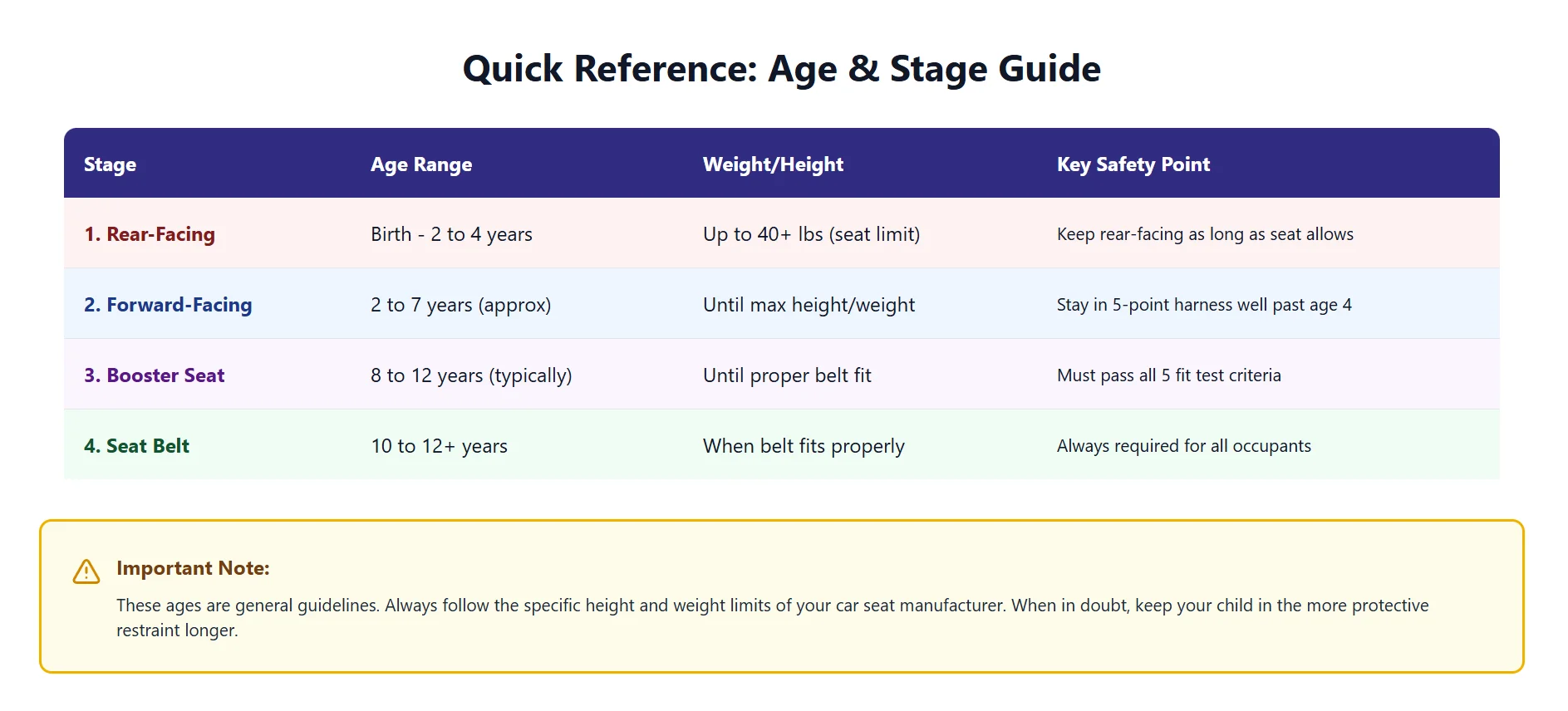
Under Indiana law, children must be properly restrained in a child safety seat or booster seat until at least age eight. However, age alone does not determine readiness to move out of a seat.
Indiana law focuses on height, weight, and seat belt fit. Police officers and courts increasingly rely on manufacturer guidelines and national safety standards when determining compliance.
Rear-Facing Car Seat Requirements
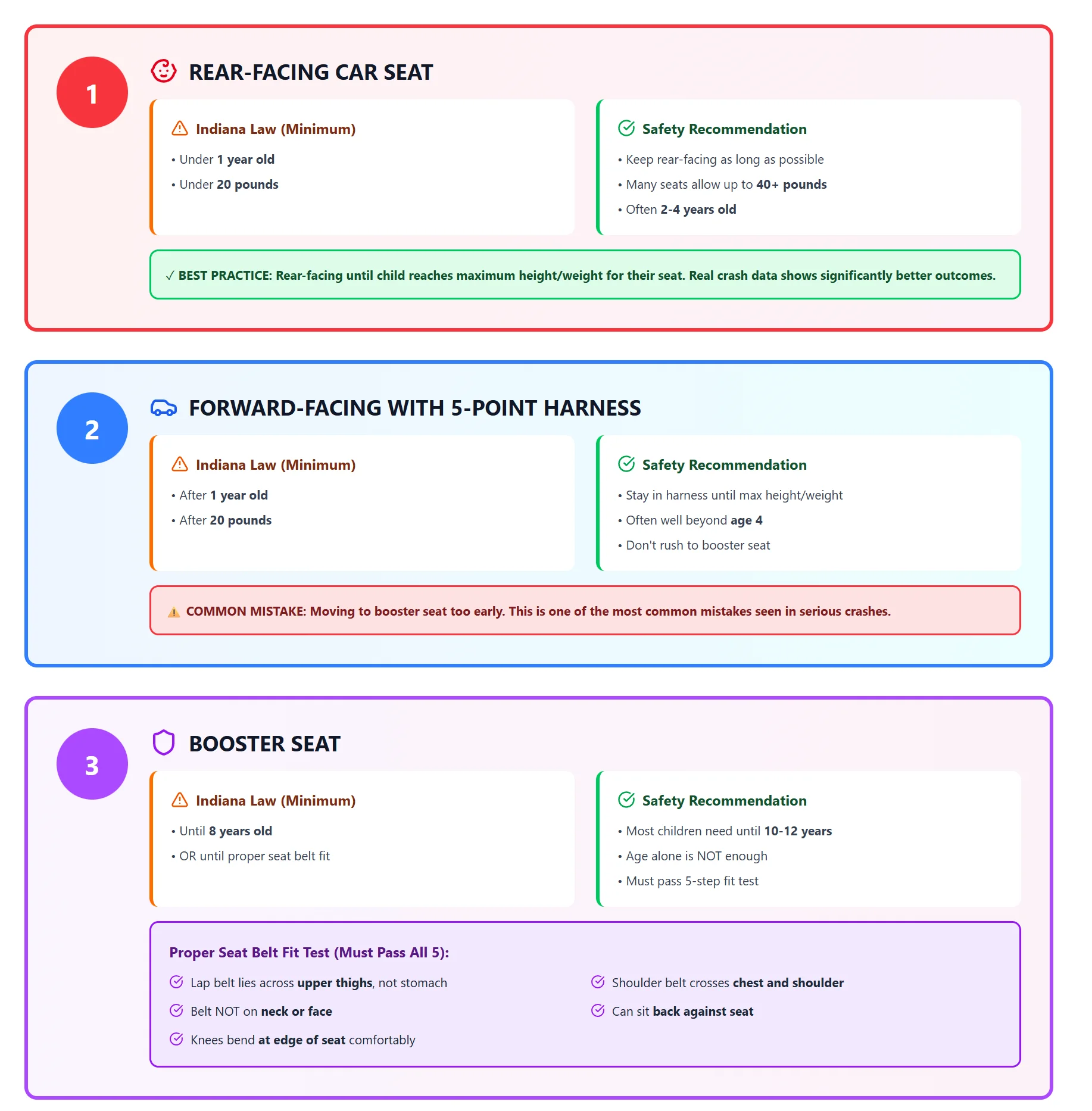
Rear-facing car seats offer the highest level of protection for infants and toddlers. Indiana law requires children under one year old and under twenty pounds to ride in a rear-facing seat.
Safety experts strongly recommend keeping children rear-facing much longer. Many convertible seats allow rear-facing use up to forty pounds or more.
We advise parents to keep children rear-facing as long as the car seat manufacturer allows. In real crash cases, we consistently see better outcomes for rear-facing children.
Forward Facing Car Seats With Harnesses
Once a child outgrows a rear-facing seat, they may transition to a forward-facing seat with a five-point harness. Indiana law allows this transition after age one and 20 pounds, but safety data show that later is safer.
Children should remain in a harnessed seat until they reach the maximum height or weight allowed by the seat manufacturer. This is often well beyond age four.
Moving a child to a booster seat too early is one of the most common mistakes we see after serious crashes.
Indiana Booster Seat Law Explained
The Indiana booster seat law requires children to use a booster seat until they are at least eight years old, unless they are tall enough for an adult seat belt to fit properly.
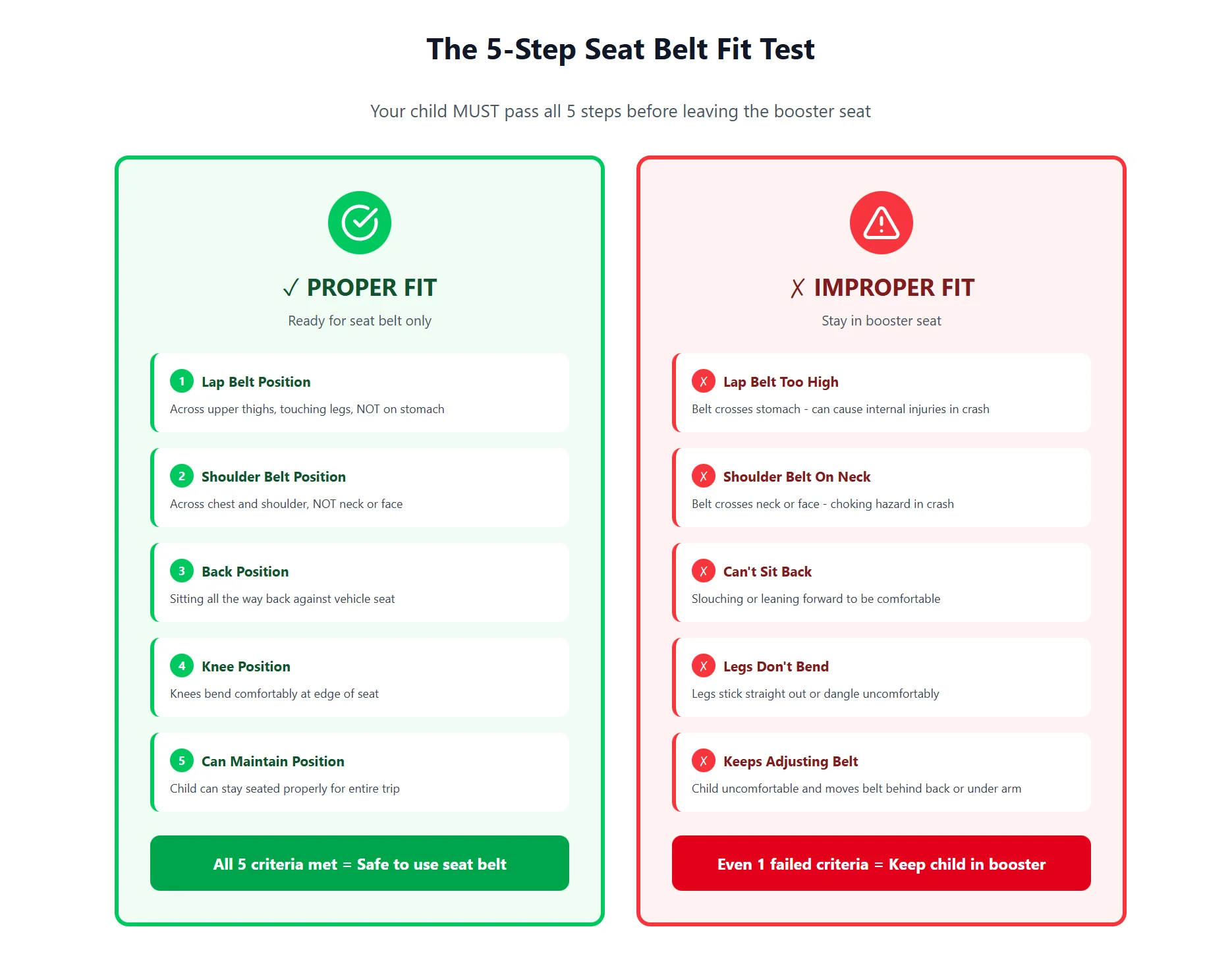
A proper seat belt fit means:
- The lap belt lies across the upper thighs, not the stomach
- The shoulder belt crosses the chest and shoulder, not the neck or face
- The child can sit back against the seat with knees bent at the edge
Most children do not fit in an adult seat belt until they are between 10 and 12 years old. Parents who rely only on age risk both safety and legal consequences.
Seat Belt Requirements For Older Children
Once a child outgrows a booster seat, they must still use a seat belt at all times. Indiana law requires seat belt use for all occupants, front and rear.
Failure to properly restrain a child can affect liability after a crash. Insurance companies may argue comparative fault even when another driver caused the collision.
As an Indiana auto accident attorney, we have seen claims reduced or denied because a child restraint was not used correctly.

Common Car Seat Mistakes We See After Crashes
Many families believe they are following the law but unknowingly make dangerous errors. Some of the most common issues include loose harness straps, incorrect installation, and premature transitions to booster seats.
Another frequent mistake is using an expired or recalled car seat. Most seats expire after six to ten years. Using a second hand seat without knowing its history can also be risky.
After a crash, these details matter. Police reports, medical records, and insurance investigations often document restraint use.
What Happens If A Child Is Not Properly Restrained
If a child is injured while not properly restrained, the legal consequences can be serious. Parents may face traffic citations, but the larger issue is how it affects an injury claim.
Insurance companies look for any reason to reduce payouts. Improper restraint use can be used to argue negligence, even when another driver caused the crash.
This does not automatically eliminate a claim, but it can complicate the case. That is why working with an experienced car accident lawyer in Indiana matters.
How Indiana Courts And Insurance Companies View Car Seat Compliance
Indiana follows a comparative fault system. This means responsibility can be divided between parties. If a child was not properly restrained, insurers may argue partial fault.
Courts also consider whether parents followed car seat guidelines Indiana safety experts recommend, not just the bare minimum of the law.
Documenting proper car seat use after a crash can strengthen your claim. Photos, purchase records, and installation checks can all help.
Steps Parents Can Take Right Now
You do not need to wait for a law change to improve safety. There are immediate steps families can take to protect children and reduce legal risk.
Check your car seat manual and verify height and weight limits. Confirm that the seat is installed tightly and correctly. Many Indiana fire departments and hospitals offer free car seat inspections.
If your child is in a booster seat, verify proper belt fit in every vehicle they ride in. Grandparents and caregivers should follow the same rules.
Why Legal Guidance Matters After A Child Injury Crash
When a child is injured in a car accident, the emotional toll is overwhelming. Medical bills, future care, and long-term impact become real concerns.
An experienced Indiana auto accident attorney understands how child restraint issues are evaluated. We know how to push back against unfair insurance arguments and focus on the facts that matter.
Our role is to protect your child’s future while holding negligent drivers accountable.
Talk To A Car Accident Lawyer In Indiana Who Puts Families First
At Vaughn A. Wamsley, we have spent decades standing up for injured families across Indiana. We understand the law, the science, and the real-world impact of these crashes.
If your child was injured in a car accident or if you have questions about your rights, we are here to help. Proper car seat use saves lives. Strong legal advocacy protects futures.