


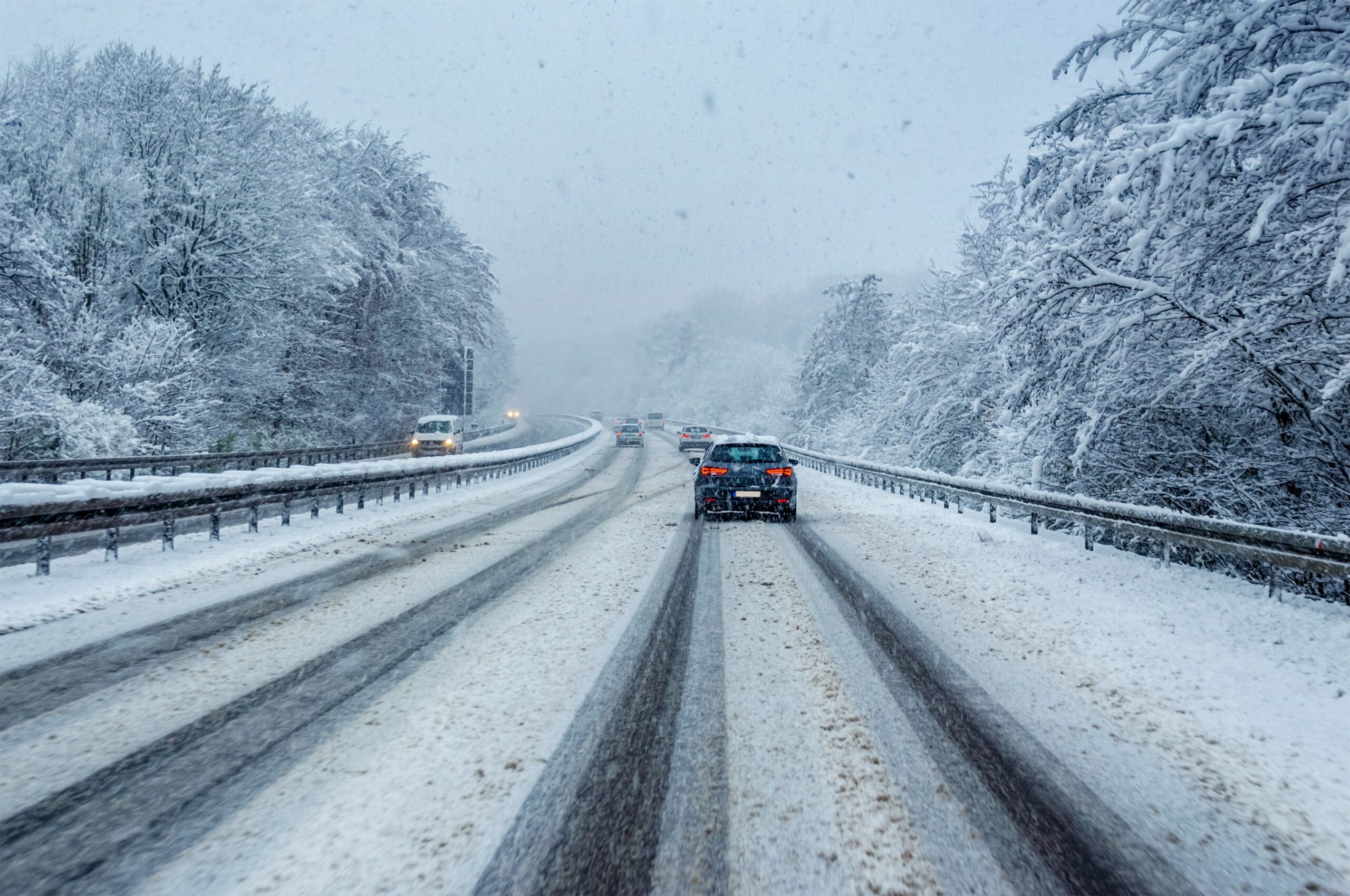
A massive chain-reaction crash on Interstate 70 in western Indiana is a blunt reminder that winter driving can turn deadly in an instant. On Saturday morning, November 29, 2025, icy, snow-covered conditions triggered a pileup involving about 45 vehicles in the westbound lanes of I-70 near Terre Haute, close to the Illinois border.
The crash shut down the interstate for hours as crews cleared wrecked cars and trucks. Miraculously, Indiana State Police reported no major injuries, even though many vehicles were heavily damaged or totaled.
Below is what happened, why these wrecks occur, and what you should do if you’re caught in a bad-weather collision especially anywhere along the busy I-70 corridor that runs straight through Indianapolis.
Vaughn A. Wamsley, an Indianapolis car accident lawyer, wants to ensure residents are prepared and stay safe this winter season.
What Happened on I-70
According to Indiana State Police and multiple news reports, the pileup began shortly before 10 a.m. during active winter weather. Drivers encountered slick pavement and reduced traction, and once the first vehicles lost control, the rest of the traffic had little room or time to stop.
One crash became many cars sliding into each other, drivers braking without grip, and a wall of vehicles quickly forming across lanes. Cleanup and towing reportedly took roughly six hours, leaving holiday travelers stranded and turning I-70 into a parking lot.
Even though this wreck was near Terre Haute, it matters to Indianapolis drivers because I-70 is one of the region’s main travel arteries. When winter storms hit Indiana, the entire corridor from Terre Haute through Indianapolis to Richmond can see the same chain-reaction risk.
Why Winter Pileups Happen (and why they’re so hard to avoid)
Bad-weather crashes almost never come from a single “cause.” They’re usually a stack of problems that multiply each other:
- Ice steals your stopping distance.
On dry pavement, you might stop in a few car lengths. On ice or packed snow, that distance can balloon by 4–10x. Drivers who keep normal spacing simply can’t stop in time.
- “Black ice” is invisible
A roadway can look merely wet while being a skating rink. That surprise factor is what makes the first crash so common in winter pileups.
- Speed that feels “fine” isn’t fine.
You can be under the speed limit and still be going too fast for conditions. Winter storms change what “reasonable” speed means.
- Following too close causes the domino effect.
Once the first car slides or brakes, every trailing driver needs extra time and space. If they don’t have it, the crash chains backward.
- Trucks add force and complexity.
Semi-trucks and delivery vehicles need far longer to stop. When a truck is involved in a winter crash, the impact energy is bigger, visibility is worse, and roadway blockage increases. That’s why these incidents often involve both passenger cars and commercial vehicles.
If You Were in a Winter Wreck, Here’s the Legal Reality in Indiana
When roads are icy, insurance companies love to say: “It was the weather, nobody’s at fault.” That’s not how Indiana law works.
Yes, the weather is a factor. But drivers still have a duty to operate safely, taking conditions into account, slowing down, increasing following distance, staying alert, and keeping control. If someone was speeding due to conditions, tailgating, driving distracted, or a truck driver was pushing too hard to meet a schedule, they can be legally responsible even in a snowstorm.
A few key points that matter:
- Indiana uses modified comparative fault. If you’re found 51% or more responsible, you can’t recover damages. If you’re less than 51% responsible, your recovery is reduced by your percentage of fault. So proving who did what matters a lot.
- Pileups are evidence-heavy. Skid marks, black box data, dashcams, 911 calls, and witness statements help reconstruct who triggered the chain of events.
- Trucking cases follow extra rules. A truck accident attorney in Indianapolis will look at driver logs, maintenance records, training files, cargo weight, and FMCSA safety regulations that don’t apply to normal cars. Those details often reveal preventable mistakes.
Translation: even if the weather was awful, you may still have a strong claim.
What to Do After a Bad-Weather Crash
If you’re involved in a winter accident anywhere in Indiana:
- Get medical care first. Adrenaline masks injuries.
- Call the police and make sure a report is filed.
- Take photos/video if safe. Road conditions, vehicle positions, damage, tire tracks, weather, and any commercial truck markings.
- Collect witness info. Names, phone numbers, quick statements.
- Don’t guess fault at the scene. Keep it factual.
- Talk to a lawyer before giving a recorded statement.
This is especially important in multi-car wrecks, where insurers quickly start pointing fingers to reduce payouts.
How Vaughn A. Wamsley Can Help
Winter pileups are chaotic. That chaos is exactly why you want an experienced Indianapolis car accident lawyer in your corner.
Vaughn A. Wamsley and his team help people injured in Indiana crashes by:
- Investigating fast. Evidence disappears quickly once roads reopen.
- Reconstructing the collision. Identifying the true trigger vehicles and unsafe drivers.
- Handling the insurance mess. In pileups, multiple policies may apply. The firm works to protect you from being unfairly blamed.
- Taking on trucking companies. If a semi or commercial vehicle was involved, a truck accident attorney in Indianapolis can dig into federal logs, safety compliance, and maintenance failures that regular claims miss.
- Fighting for full damages. Medical bills, lost wages, pain and suffering, future treatment, and vehicle loss, not just what an adjuster feels like offering.
Even when injuries seem “minor,” winter crashes can cause lingering back, neck, and head issues. Getting legal help early protects both your health and your claim.
Understanding Your Rights After a Winter Weather Accident
The 45-car I-70 wreck near Terre Haute happened because winter weather removes margins for error, and too many drivers travel like it’s a normal day. If you’re hurt in a storm-related crash, don’t let insurers wave it off as “just the weather.” Responsibility still exists, and compensation may be available.
If you or someone you love was injured in an Indiana winter collision, reach out to Vaughn A. Wamsley to talk through what happened and what your options are. An Indianapolis car accident lawyer can help you steady the situation and pursue the recovery you deserve, especially when bad weather makes everything harder.