


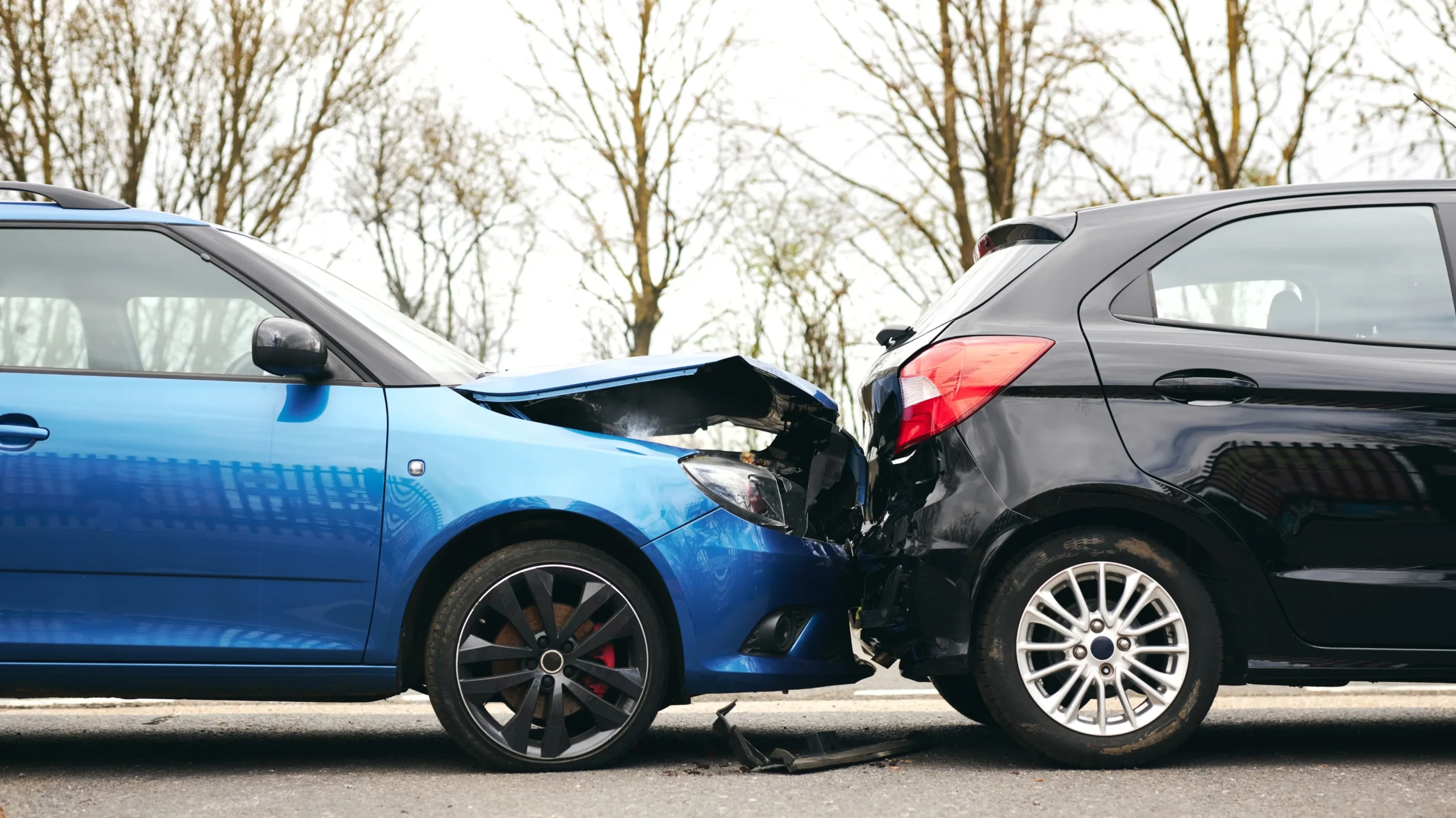
Rear-end collisions are among the most common car accidents in Indianapolis. They happen daily on heavily traveled roads like I-465, I-65, Keystone Avenue, and downtown surface streets where traffic frequently stops without warning.
Because these crashes often look straightforward, many drivers assume fault is automatic. In practice, liability can be far more nuanced—especially when injuries, multiple vehicles, or unusual driving behavior are involved.
Understanding how fault is determined after a rear-end collision is critical for anyone facing medical expenses, vehicle repairs, or time away from work. Indiana operates under a fault-based insurance system, meaning the driver who caused the crash is financially responsible.
However, insurance companies do not always agree on who that is. Knowing how fault is evaluated in rear-end accident claims helps injured drivers avoid being unfairly blamed and receiving reduced compensation.
At Vaughn A. Wamsley, our Indianapolis accident attorneys often speak with clients who seek help after rear-end accidents in which insurers dispute liability or downplay injuries. A clear grasp of how Indiana law handles fault can significantly impact how these cases unfold.
Why Rear-End Accidents Are So Common in Indianapolis
Indianapolis traffic conditions make rear-end crashes especially likely. Congestion, frequent construction, and sudden slowdowns create an environment where even momentary inattention can lead to a collision. High-speed interstates, combined with frequent lane changes, only increase the risk.
Local factors that commonly contribute to rear-end accidents include rush-hour congestion on I-465 and I-70, construction bottlenecks throughout Marion County, stop-and-go downtown traffic, abrupt braking at intersections and exits, and distracted driving in crowded corridors. While these conditions make rear-end crashes common, they do not automatically determine fault.
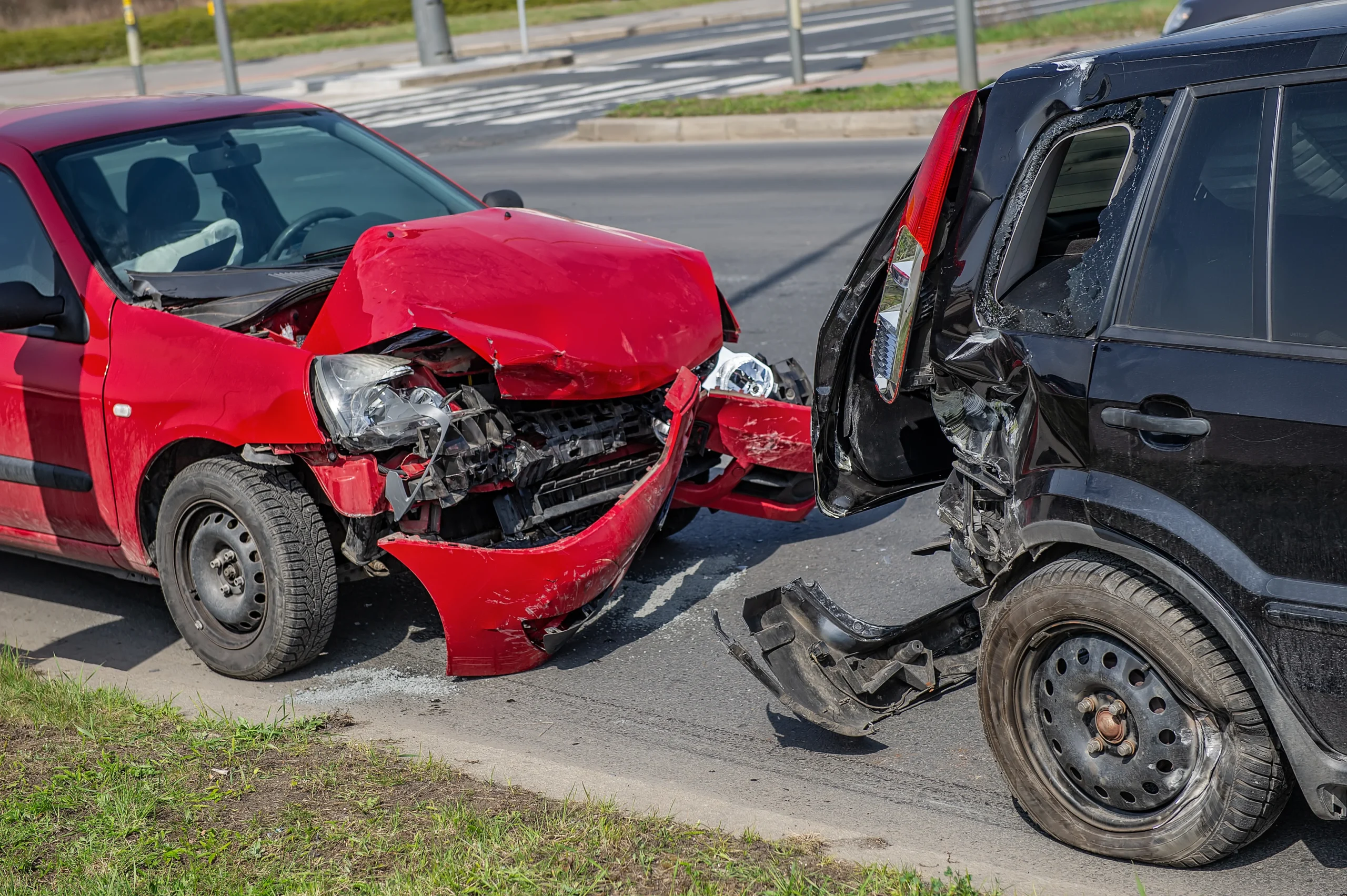
The General Rule for Rear-End Accident Fault in Indiana
In most cases, the driver who strikes another vehicle from behind is presumed to be at fault. Indiana law requires drivers to maintain a safe following distance and stay alert to traffic conditions ahead. When a driver fails to stop in time, insurers often view that as negligence.
This presumption exists because the rear driver is typically in the best position to avoid the crash. That said, a presumption is not the same as absolute fault. Insurance companies may still scrutinize the facts, particularly when the actions of the front driver are questioned.
When the Front Driver May Share or Bear Fault
Although rear drivers are usually blamed, there are situations where the front driver may share responsibility—or even be primarily at fault. These cases are less common but do occur in rear-end accidents in Indianapolis.
Examples include sudden or unnecessary braking without a valid reason, malfunctioning brake lights, abruptly cutting into traffic and stopping, reversing unexpectedly, or stopping illegally in a traffic lane. When these factors are present, insurers may argue that the front driver contributed to the collision, which can directly affect compensation under Indiana’s comparative fault rules.
How Indiana’s Comparative Fault Rules Apply
Indiana follows a modified comparative fault system. This means an injured person’s compensation may be reduced if they are partially responsible for the accident. If a driver’s share of fault exceeds a certain threshold, recovery may be barred entirely.
In rear-end cases, insurance companies frequently try to assign partial blame to reduce payouts. Even small fault percentages can significantly impact settlement value, making it essential to understand how these calculations affect a claim.
The Role of Police Reports in Rear-End Accidents
Police reports are a foundational piece of evidence in rear-end accident claims. Officers document vehicle positions, driver statements, witness accounts, and any citations issued. While these reports do not definitively decide fault, insurers rely on them heavily during claim evaluations.
Reports typically include driver statements, diagrams of vehicle positions, notes about traffic conditions, observations of debris or skid marks, and any citations issued. Errors or omissions in a police report can complicate a claim, especially when liability is disputed.
How Insurance Companies Investigate Rear-End Collisions
Insurance adjusters conduct their own investigations separate from law enforcement, with the goal of limiting financial exposure. As a result, their conclusions may differ from initial assumptions.
They commonly review police reports, photographs, vehicle damage patterns, driver and witness statements, available traffic or surveillance footage, and prior accident or injury history. In Indianapolis, footage from major intersections or nearby businesses can sometimes clarify disputed rear-end crashes.
Multi-Vehicle Rear-End Accidents and Chain Reactions
Rear-end collisions often involve multiple vehicles, particularly on highways. Chain-reaction crashes raise more complex fault questions because several drivers may contribute to the outcome.
Insurers examine whether each driver maintained a safe following distance, the sequence of impacts, traffic conditions at the time, and whether earlier collisions caused sudden stops. Fault may be shared among multiple parties, which can lengthen negotiations and complicate compensation.
Rear-End Accidents and Common Injuries
Rear-end crashes frequently cause injuries that are not immediately obvious. Even low-speed impacts can produce significant harm due to the sudden force placed on the body.
Common injuries include whiplash, neck and back injuries, spinal damage, concussions, shoulder injuries, soft tissue damage, and aggravation of pre-existing conditions. Because symptoms may take days to appear, delayed treatment is common—and often questioned by insurers. Prompt medical evaluation helps establish a clear link between the crash and the injury.
Medical Treatment and Its Impact on Fault Disputes
Medical treatment does not determine fault, but it plays a critical role in claim credibility. Insurers often argue that limited treatment means minimal impact or shared responsibility.
Consistent care helps demonstrate injury severity, a direct connection to the crash, the effect on daily life and work, and the need for ongoing treatment. Gaps in care are frequently used to challenge injury claims, even when liability appears straightforward.
Rear-End Accidents Involving Commercial Vehicles
Commercial vehicles, including delivery vans and trucks, are regularly involved in rear-end accidents on Indianapolis roads. These cases often involve additional layers of investigation.
Key factors include driver training and supervision, vehicle maintenance records, company safety policies, scheduling practices, and electronic logging or tracking data. Commercial insurers tend to investigate aggressively, making thorough documentation especially important.
Weather and Road Conditions as Contributing Factors
Indianapolis weather frequently contributes to rear-end accidents, particularly during winter. Snow, ice, and rain increase stopping distances and reduce traction.
While weather does not excuse negligence, insurers may consider whether drivers adjusted speed appropriately, road treatment conditions, and visibility at the time of the crash. Drivers are still expected to maintain control of their vehicles regardless of conditions.
Steps to Take After a Rear-End Accident in Indianapolis
The actions taken after a rear-end collision can significantly affect both health and financial recovery. Calling 911, seeking prompt medical care, photographing the scene and vehicle damage, gathering witness information, and reporting the accident to insurance are all critical steps. Avoiding speculation about fault at the scene can also help prevent later disputes.
Why Insurance Companies Challenge Rear-End Fault
Despite common assumptions, insurers often challenge rear-end liability to minimize payouts. Even clear cases may be delayed or undervalued.
Common tactics include alleging sudden braking, questioning injury causation, pointing to pre-existing conditions, or disputing the severity of vehicle damage. Recognizing these strategies helps injured drivers respond more effectively.
How Local Courts View Rear-End Accident Claims
Marion County courts see a steady volume of rear-end accident cases. Judges and juries often expect strong evidence, even in seemingly simple crashes.
Factors that influence outcomes include witness availability, consistency in medical records, credibility of testimony, and overall case preparation. Thorough documentation often shapes how these cases resolve.
Why Rear-End Accident Claims Can Take Time
Some rear-end claims resolve quickly, while others take months due to disputes over fault, injuries, or damages. Rushing the process often leads to undervalued results.
Delays commonly stem from contested liability, ongoing medical treatment, multiple vehicles or insurers, and incomplete documentation. Careful preparation and patience typically lead to better outcomes.
Why Every Rear-End Accident Case Is Different
No two rear-end accidents are the same. Speed, road conditions, driver behavior, and injury severity all affect fault analysis. General assumptions rarely reflect the realities of an individual case.
If you were injured in a rear-end collision in Indianapolis or anywhere in Marion County, understanding how fault is determined is essential. The car accident lawyers at Vaughn A. Wamsley help injured drivers navigate insurance disputes and pursue accountability when negligence causes harm. If you have questions about your situation and want straightforward guidance, reach out today to protect your path forward.