


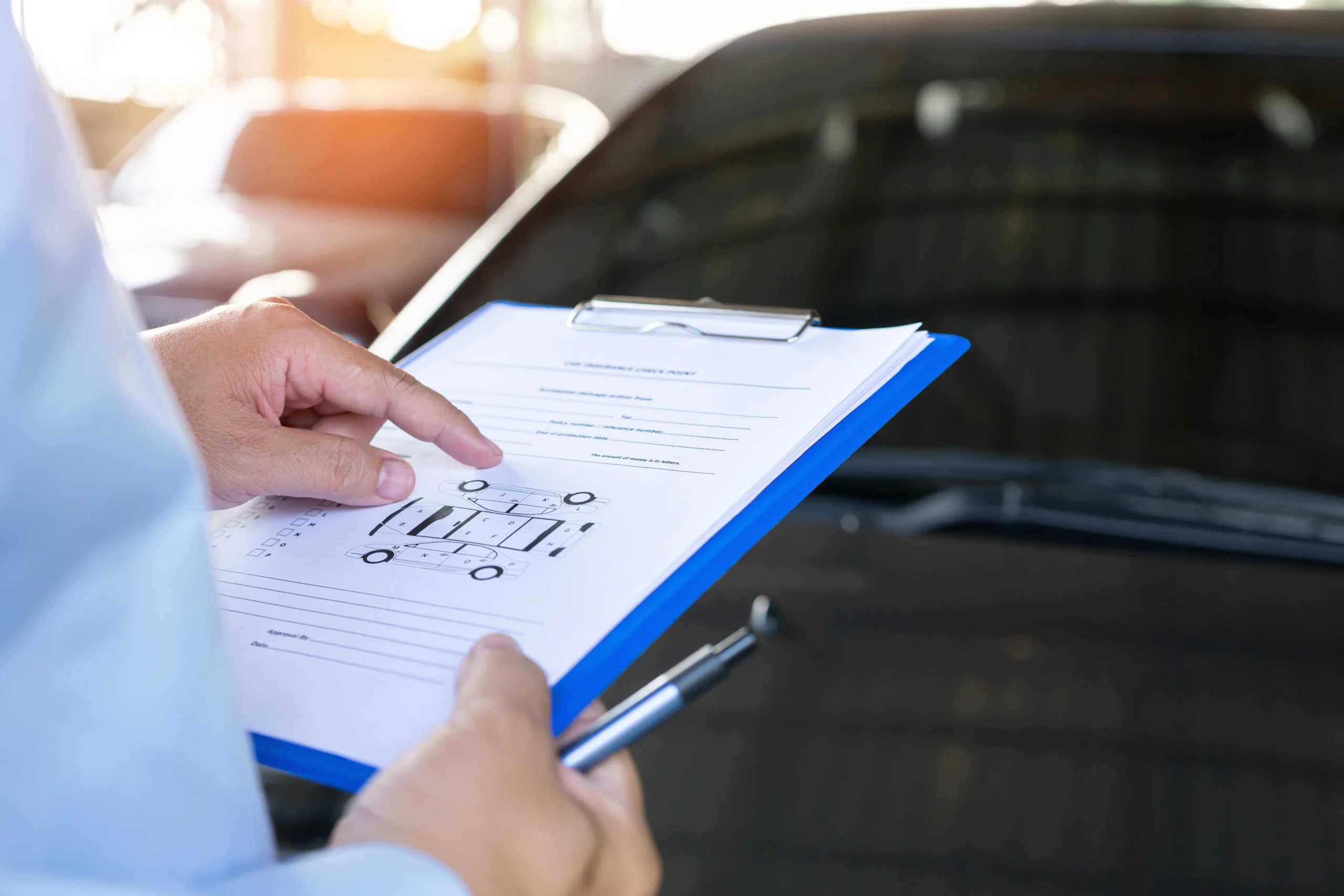
A car accident is stressful under any circumstances, but that stress often increases when you find out the other driver does not have insurance. Medical bills can start arriving within days, your vehicle may be undrivable, and time away from work can quickly strain your finances. Many injured drivers are left wondering whether compensation is even possible when the at-fault driver cannot pay. Understanding how these situations are handled under Indiana law is critical to protecting yourself.
In Indianapolis, uninsured driving remains a persistent problem despite mandatory insurance laws. Some drivers allow policies to lapse, others carry invalid coverage, and some never obtain insurance at all. When an uninsured driver causes a collision, compensation is not automatically eliminated; the process becomes more complex. Understanding how Indiana law addresses uninsured motorist accidents in Indianapolis helps injured people make informed decisions early, before mistakes limit their options.
At Vaughn A. Wamsley, our accident lawyers in Indianapolis provide guidance for injured drivers after they discover the other driver lacks coverage. These cases require careful attention to documentation, insurance policy language, and timing. Understanding how uninsured motorist coverage works and what steps to take immediately after the crash can significantly affect both recovery and financial stability.
Why Uninsured Drivers Are a Common Problem in Indianapolis
Indiana law requires drivers to maintain minimum liability insurance, but compliance is not universal. Economic pressures, job losses, and rising insurance premiums contribute to uninsured driving in Marion County. Urban areas with dense traffic and frequent short trips often see higher rates of uninsured motorists.
Uninsured driver crashes commonly occur in areas such as:
- I-465 during morning and evening commute hours
- I-70 and I-65 through downtown Indianapolis
- Keystone Avenue, East Washington Street, and 38th Street
- Construction zones with shifting traffic patterns
- Residential neighborhoods with limited enforcement
Even cautious drivers can be struck by an uninsured driver, underscoring the importance of preparation and awareness for Indianapolis motorists.

What Happens Immediately After an Accident With an Uninsured Driver
The steps taken at the scene of a crash are essential when the other driver is uninsured. Early documentation helps preserve options later in the claims process and reduces disputes about fault and coverage.
Key actions to take include:
- Calling 911 and requesting law enforcement
- Making sure a police report is completed
- Seeking medical evaluation, even if symptoms seem minor
- Photographing vehicle damage, road conditions, and injuries
- Collecting witness names and contact information
- Exchanging driver details even if insurance information is missing
Police reports are critical in uninsured driver cases. They document fault, confirm the absence of insurance, and provide a foundation for filing an uninsured motorist claim through your own policy.
Indiana Insurance Requirements and Uninsured Motorist Coverage
Indiana requires drivers to carry liability insurance, but uninsured motorist coverage is optional. Many drivers have this coverage without fully understanding what it does or how it applies. Uninsured motorist coverage exists to protect you when the at-fault driver cannot pay for the harm they caused.
Uninsured motorist coverage may help compensate for:
- Medical bills related to the crash
- Lost income from missed work
- Pain and daily limitations
- Ongoing treatment or rehabilitation needs
This coverage is accessed through your own auto insurance policy. Even though you pay premiums for this protection, insurance companies often scrutinize these claims, making strong documentation essential.
How Uninsured Motorist Claims Work in Indianapolis
Uninsured motorist claims are filed with your own insurance carrier, but the process is often adversarial. The insurer effectively steps into the role of the uninsured driver, meaning fault must still be proven. Coverage alone does not guarantee payment.
The process typically involves:
- Prompt notice to your insurance company
- Submission of the police report and evidence
- Proof that the uninsured driver caused the crash
- Medical documentation linking injuries to the accident
- Wage records showing lost income
- Negotiation over claim value
Insurance carriers may dispute liability, challenge medical treatment, or delay resolution. Treating these claims seriously from the beginning helps avoid unnecessary setbacks.
Proving Fault When the Other Driver Has No Insurance
Fault is a central issue in uninsured driver cases. Indiana follows a fault-based system, meaning responsibility must be clearly established before compensation is paid.
Evidence used to establish fault includes:
- Police accident reports
- Witness statements
- Traffic or business surveillance footage
- Vehicle damage patterns
- Medical records showing injury timing
Disputes frequently arise in intersection crashes, lane-change accidents, and multi-vehicle collisions. Clear and consistent evidence strengthens uninsured motorist claims and limits insurer pushback.
Medical Bills and Treatment After an Uninsured Driver Crash
Medical expenses do not stop simply because the at-fault driver lacks insurance. Injured individuals often rely on health insurance initially, but reimbursement and lien issues may arise later.
Ordinary medical expenses include:
- Emergency room visits
- Diagnostic imaging, such as X-rays or MRIs
- Follow-up doctor appointments
- Physical therapy or chiropractic care
- Prescription medications
Consistent medical treatment supports injury claims and demonstrates the injury’s seriousness. Gaps in care often allow insurers to argue that injuries were minor or unrelated to the crash.
Lost Wages and Financial Disruption
Missed work is another primary concern following an accident involving an uninsured driver. Even short recovery periods can disrupt income, especially for hourly workers or those without paid leave.
Lost income may include:
- Missed workdays during recovery
- Reduced hours or modified duties
- Lost overtime or bonuses
- Missed self-employment opportunities
Employer documentation and pay records help establish these losses and support uninsured motorist claims.
What If You Do Not Have Uninsured Motorist Coverage
If uninsured motorist coverage is unavailable, options may be more limited but are still worth exploring. In some cases, injured individuals may pursue the at-fault driver directly, though recovery can be challenging.
Possible avenues may include:
- Identifying additional liable parties
- Determining whether another policy applies
- Reviewing household insurance coverage
- Exploring employer-related coverage scenarios
Each case depends on the facts of the accident and available insurance. Early evaluation helps identify any potential sources of compensation.
How Indiana Courts Handle Uninsured Driver Cases
Uninsured driver disputes may be resolved through insurance negotiations or court proceedings. Marion County courts regularly address issues involving coverage interpretation and fault allocation.
Local considerations include:
- Court scheduling timelines
- Jury attitudes toward uninsured driving
- Evidence standards for contested claims
- Procedural rules governing insurance disputes
Understanding how local courts handle these cases helps guide expectations and planning.
Why Insurance Companies Push Back on Uninsured Motorist Claims
Even though coverage exists, insurance companies often aggressively challenge uninsured motorist claims. Their goal remains to limit financial exposure.
Common insurer strategies include:
- Disputing liability
- Questioning treatment necessity
- Arguing injuries were pre-existing
- Minimizing long-term impact
- Delaying claim processing
Prepared documentation and timely follow-up help counter these tactics and keep claims moving forward.
Steps That Help Protect Your Claim After an Uninsured Driver Accident
Specific actions strengthen claims and reduce complications.
Helpful steps include:
- Reporting the crash promptly
- Following medical advice consistently
- Keeping copies of all medical bills and records
- Documenting pain and daily limitations
- Avoiding recorded statements without guidance
- Staying off social media when discussing the crash
These steps create a clear record and reduce the risk of disputes.
Why Timing Matters in Uninsured Motorist Cases
Delays can affect both coverage and compensation. Insurance policies often contain notice requirements that must be followed. Missing deadlines may jeopardize claims even when coverage exists.
Prompt action helps ensure:
- Coverage eligibility
- Evidence preservation
- Accurate medical documentation
- Strong negotiation positioning
Acting early often improves outcomes.
How Local Roads and Traffic Patterns Affect Uninsured Crashes
Indianapolis roadways experience heavy traffic, increasing the risk of collisions with uninsured drivers. Construction zones, commuter congestion, and complex intersections all contribute to accident frequency.
High-risk areas include:
- Downtown Indianapolis intersections
- I-465 during rush hour
- Major arterials like Keystone Avenue
- Construction-heavy corridors throughout Marion County
Understanding these patterns helps explain why uninsured-driver crashes are common locally.
Why Each Uninsured Driver Case Is Different
No two uninsured driver cases are identical. Differences in injuries, fault, insurance coverage, and documentation all affect outcomes. Online assumptions rarely reflect real-world circumstances.
Careful review of the facts helps determine realistic options and expectations.
If you were injured by a driver without insurance in Indianapolis or anywhere in Marion County, understanding your rights and coverage options is essential. Vaughn A. Wamsley helps injured individuals navigate complex insurance issues and pursue compensation when uninsured drivers cause harm. If you want clarity about your next steps, reach out today to discuss your uninsured motorist accident in Indianapolis and protect your path forward.