


- Vaughn A. Wamsley
- Accidents
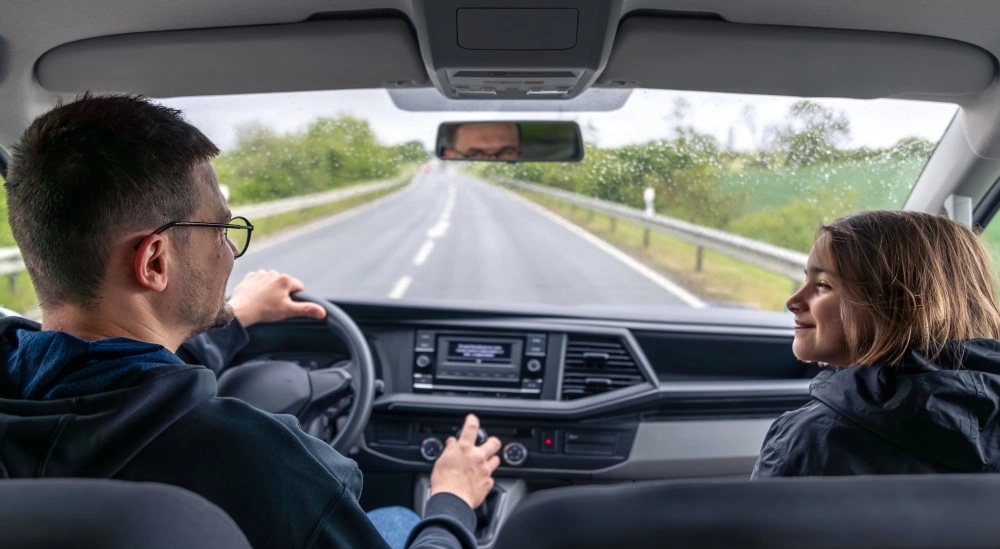
In Indiana, children should generally remain in the back seat until at least age 13 for safety reasons, even though state law primarily focuses on proper restraint systems rather than front-seat age restrictions. The safest practice is to follow national safety guidelines while complying with Indiana seatbelt laws to reduce the risk of serious injury in a crash.
Why Front Seat Safety Matters More Than You Think
Most parents ask this question when their child starts getting older or pushing for more independence. But here’s the reality: the front seat is significantly more dangerous for children, especially in a crash involving airbags.
Airbags deploy with extreme force. For a smaller body, that force can cause serious or even fatal injuries. That’s why safety experts, pediatricians, and auto accident attorneys in Indianapolis consistently recommend keeping kids in the back seat as long as possible.
At Vaughn A. Wamsley, the focus has always been on protecting injury victims and helping families recover after preventable accidents. With decades of experience and thousands of cases handled, the firm understands how quickly a routine drive can turn into a life-changing event.
Indiana Seatbelt Laws and Child Passenger Rules
What the Law Actually Says
Indiana law doesn’t specify a minimum age for a child to sit in the front seat. Instead, it focuses on proper restraint use.
Key Legal Requirements
- Children under age 8 must be in an approved child restraint system
- Kids ages 8–15 must wear a seatbelt
- Drivers are responsible for ensuring children are properly restrained
So technically, a child could sit in the front seat if they meet restraint requirements, but that doesn’t mean it’s safe.
Recommended Safety Guidelines vs. Legal Minimums
Why Following “Minimum Law” Isn’t Enough
Legal compliance and safety are not the same thing.
The National Highway Traffic Safety Administration (NHTSA) and pediatric experts recommend:
- Children under 13 ride in the back seat
- Proper car seats or booster seats based on height and weight
- Seatbelts positioned correctly across the chest and hips
Think of Indiana law as the floor, not the ceiling.
When Can a Child Safely Sit in the Front Seat?
The Practical Answer for Parents
Most experts agree on this:
A child can safely sit in the front seat when they are:
- At least 13 years old
- Tall enough for the seatbelt to fit properly
- Mature enough to sit correctly for the entire ride
Even then, precautions matter.
Safety Tips for Front Seat Riding
- Move the seat as far back as possible
- Ensure proper seatbelt positioning
- Never allow slouching or leaning forward
- Disable airbags if your vehicle allows it (in limited circumstances)
Injury Risks for Children in the Front Seat
What Happens in a Crash
Children in the front seat face higher risks of:
- Head and neck injuries
- Chest trauma from airbags
- Spinal injuries
- Fatal outcomes in high-impact collisions
These risks increase dramatically in accidents involving sudden stops, rear-end collisions, or frontal crashes, common scenarios handled by any experienced Indianapolis car accident lawyer.
Front Seat vs. Back Seat: Risk Comparison
| Factor | Front Seat | Back Seat |
| Airbag exposure | High risk | Minimal risk |
| Crash force impact | Higher | Lower |
| Injury severity (children) | More severe | Less severe |
| Recommended for kids under 13 | No | Yes |
Common Mistakes Parents Make
Small Decisions That Lead to Big Risks
Even careful parents can overlook key safety issues.
- Letting kids sit up front too early
- Using seatbelts that don’t fit properly
- Turning front seat riding into a “reward”
- Assuming short trips are safer
Accidents don’t care how far you’re going. Most happen close to home.
How Car Accidents Impact Children Differently
Why Kids Are More Vulnerable
Children’s bodies are still developing. That makes them:
- More susceptible to head injuries
- Less able to absorb impact force
- More likely to suffer long-term complications
A crash that an adult walks away from can leave a child with serious injuries requiring ongoing medical care.
Legal Implications After a Child Injury in Indiana
What Happens If Your Child Is Hurt in a Crash
If your child is injured in a car accident, several legal factors come into play:
- Who was at fault
- Whether safety laws were followed
- The severity of injuries
- Insurance coverage limits
A child injury lawyer in Indianapolis can help evaluate whether negligence played a role, whether from another driver, a defective vehicle, or even improper safety equipment.
How an Indianapolis Car Accident Lawyer Can Help
Protecting Your Family’s Future
After a crash involving a child, things get complicated fast.
A legal team can:
- Investigate the accident thoroughly
- Gather medical evidence and expert opinions
- Handle insurance negotiations
- Pursue compensation for medical costs, pain, and long-term care
At Vaughn A. Wamsley, the approach is direct and aggressive when needed. With over 60 years of combined experience, hundreds of millions recovered, and more than 10,000 accident victims helped, the firm has built its reputation on results that matter for families.
Real Cases Show How Serious This Can Be
Child injury cases aren’t theoretical; they’re real, and they’re often severe.
The firm’s track record includes significant recoveries in serious accident cases, including those involving children and catastrophic injuries. That experience translates into better outcomes when everything is on the line.
When to Talk to an Attorney
Don’t Wait Until It’s Too Late
If your child has been involved in an accident:
- Seek medical care immediately
- Document everything
- Avoid speaking to insurers without guidance
- Contact an attorney as soon as possible
Delays can weaken your case and reduce compensation.
FAQs About Children Sitting in the Front Seat
Is it illegal for a child to sit in the front seat in Indiana?
No, but they must meet seatbelt and restraint requirements. Safety experts still recommend waiting until at least age 13.
What is the safest age for front seat riding?
Age 13 is widely considered the safest benchmark based on national safety guidelines.
Can airbags seriously injure a child?
Yes. Airbags deploy with significant force and can cause severe injuries to smaller passengers.
What if my child was injured in a front seat accident?
You may have a legal claim depending on fault and circumstances. A child injury lawyer in Indianapolis can evaluate your case.
Do booster seats work in the front seat?
They can, but it’s not recommended. Booster seats are safest when used in the back seat.
Talk to an Indianapolis Auto Accident Attorney Today
If your child has been injured in a crash, or if you have questions about safety and liability, don’t guess your next move.
Vaughn A. Wamsley has spent decades helping Indiana families recover after serious accidents. The firm understands what’s at stake and how to fight for the compensation your family deserves.
Call 317-854-5166 today for a free consultation and get answers you can trust.