





- Vaughn A. Wamsley
- Last updated:
- Personal Injury
Yes, in most situations. Indiana’s Good Samaritan law, Indiana Code 34-30-12-1, protects people who, in good faith, give emergency care at the scene of an accident or emergency without expecting payment. They are generally not liable for civil damages caused by their help, unless their conduct amounts to gross negligence or willful or wanton misconduct. The law encourages bystanders to act instead of hesitating out of fear of a lawsuit.
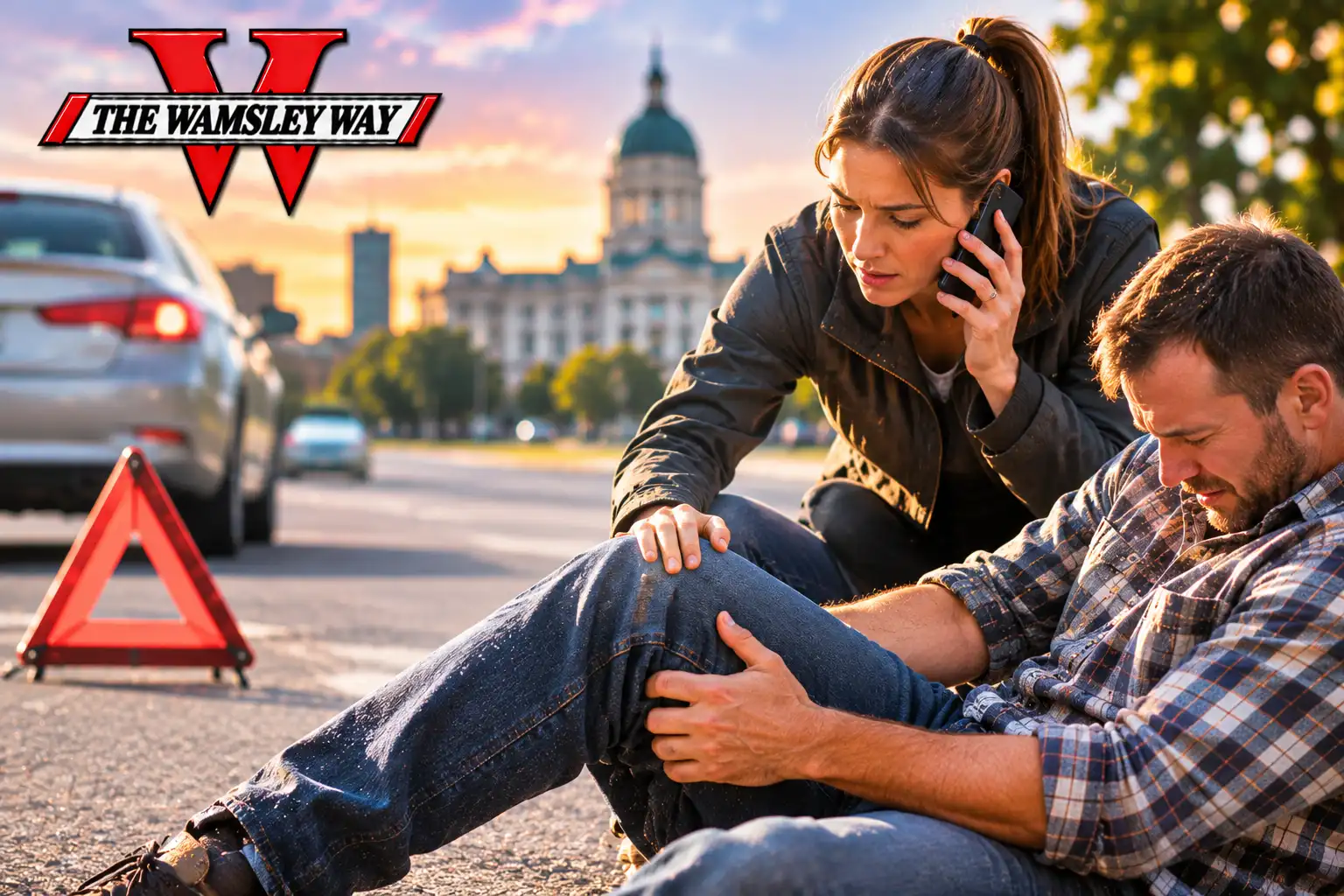
Every year, Indiana drivers stop at crashes on I-65, I-70, and local roads to call 911, comfort injured people, or perform CPR. Knowing what the law protects, and where its limits are, can help people act with confidence.
What the Law Covers
| Element | What It Means |
|---|---|
| Good faith | You were genuinely trying to help |
| Emergency care | Help given at the scene of an accident or emergency |
| Gratuitous | You did not expect or receive payment |
| Exception | No protection for gross negligence or willful or wanton misconduct |
Common examples include calling for help, applying pressure to stop bleeding, performing CPR, using an automated external defibrillator, and keeping an injured person still until paramedics arrive.
What the Law Does Not Cover
- Care provided for payment as part of a job, such as on-duty medical treatment
- Reckless actions that go far beyond reasonable help
- Situations that were not emergencies
- Harm caused before the person began helping, such as causing the crash
The protection focuses on the act of helping. A driver who caused a crash and then stopped to help is still responsible for causing the crash.
Safe Ways to Help at a Crash Scene
- Park well off the road and turn on hazard lights.
- Call 911 and give the exact location, including mile markers.
- Do not move an injured person unless there is an immediate danger, such as fire.
- Apply pressure to bleeding wounds with a clean cloth if you can.
- Stay out of traffic lanes and watch for other vehicles.
- Give your name and contact information to police as a witness.
Witness information from bystanders often becomes valuable later when fault is disputed. A short statement from someone who saw the crash can make a significant difference in an injury claim.
What If a Good Samaritan Is Injured?
Bystanders are sometimes hurt while helping, often struck by passing traffic or injured while pulling someone from a vehicle. Under the long-recognized rescue doctrine, a person who negligently creates a dangerous situation can be responsible for injuries to someone who reasonably tries to help. That means an injured rescuer may have a claim against the driver who caused the original crash, and possibly against a driver who struck the rescuer at the scene.
Indiana uses modified comparative fault, so the rescuer’s own conduct may be considered, but a reasonable rescue attempt is usually viewed favorably. Claims generally must be filed within two years. See our overview of the Indiana personal injury statute of limitations.
Overdose Emergencies
Indiana also has separate legal protections for people who call for help during a drug overdose and for people who administer an overdose reversal medication such as naloxone. These protections are designed to encourage people to call 911 quickly. They involve different statutes and conditions than the general Good Samaritan law.
Why This Matters for Injury Victims
For people hurt in crashes, bystanders who stop often provide the first care and the most reliable account of what happened. If someone helped you at the scene, try to get their name from the police report or the crash report. Their observations about speed, traffic signals, or the other driver’s behavior can be important evidence later. Our Indianapolis personal injury lawyer team routinely contacts these witnesses early.
Frequently Asked Questions
Can a Good Samaritan be sued in Indiana?
Generally no, if they gave emergency help in good faith without expecting payment, unless they acted with gross negligence or willful misconduct.
Does the Good Samaritan law cover CPR?
Yes. CPR given in good faith at the scene of an emergency is a common example of protected care.
Is a person required to stop and help at a crash in Indiana?
Bystanders are generally not required to help, but drivers involved in a crash must stop and render reasonable assistance.
Can I sue if I was hurt helping at a crash?
Possibly. The rescue doctrine may allow a claim against the person whose negligence created the danger.
How long do I have to file an injury claim in Indiana?
Generally, two years from the date of the injury.
Talk to an Indianapolis Injury Lawyer
Vaughn A. Wamsley represents people injured in crashes across Indianapolis and central Indiana, including people hurt while helping others. When you call, our team will ask what happened at the scene, who was involved, and what injuries you have, then explain who may be responsible and what to do next.
About the Author

Vaughn A. Wamsley
Vaughn A. Wamsley is the founder of the law office of Vaughn A. Wamsley, an Indiana personal injury law firm with offices in Carmel and Indianapolis. Admitted to the Indiana bar in 1988 and to the U.S. District Courts for the Southern and Northern Districts of Indiana in 1989, he has spent more than 30 years helping injured people recover fair compensation from insurance companies. He is a sustaining member of the Indiana Trial Lawyers Association and a graduate of Indiana University Bloomington.